
What’s the cheapest way to sell your home in the UK?
A breakdown of typical selling costs, with options to remove some of the biggest costs.
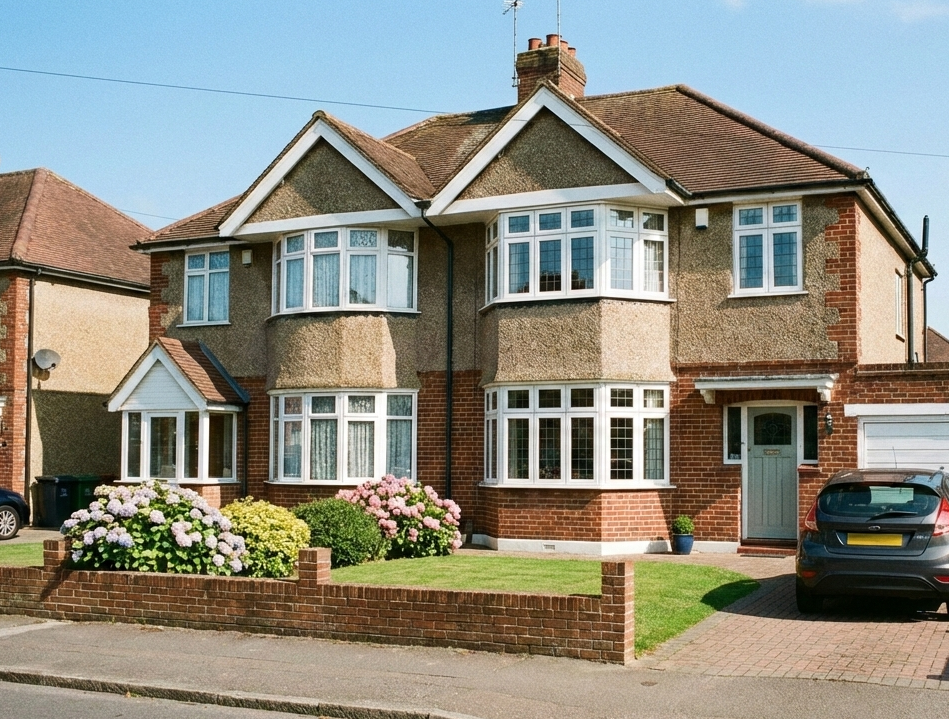
What’s the cheapest way to sell your home in the UK?
The good news: you can cut the cost of selling your home dramatically.
The honest news: you cannot reduce it to absolute zero, because some costs are unavoidable in the UK (like conveyancing and usually an EPC). But you can remove the biggest chunk and keep control of the rest.
This guide explains the real fees involved, what you can skip, and the cheapest practical route for most sellers.
The biggest cost when selling: estate agent fees
Traditional estate agents usually charge a percentage of your sale price. In the UK, you’ll commonly see around 1% to 1.5% plus VAT, but it can vary by area, property value, and how much you negotiate. Some agents charge more, especially with premium packages or multiple agents involved.
What does that mean in pounds?
Let’s use a typical fee level many sellers run into: 1.42% including VAT.
- £250,000 sale price: ~£3,550 in agent fees
- £300,000 sale price: ~£4,260 in agent fees
- £500,000 sale price: ~£7,100 in agent fees
The unavoidable costs you still need to budget for
Even if you sell without an estate agent, you’ll still have a few core costs in most UK sales. Think of these as the basics that make the sale legal, compliant and smooth.
1) Conveyancing (solicitor or licensed conveyancer)
To legally transfer ownership, you’ll usually need a conveyancer. This is not the place to cut corners.
Typical seller-side legal fees often land in the £1,000 to £2,500 range depending on complexity, location, leasehold vs freehold, and whether there are extra items like deed of variation, management packs, or title issues.
Also note: legal fees are not the only line item. You’ll also pay disbursements (third-party costs), which can include things like ID checks and bank transfer fees.
2) EPC (Energy Performance Certificate)
If you don’t already have a valid EPC, you’ll legally need one to market the property. Many sellers pay roughly £60 to £120, depending on property type and area.
So what is the cheapest way to sell your home?
For most homeowners, the cheapest sensible route looks like this:
- Pay for an EPC if you need a new one
- List your home for sale on Hauski for free and skip the estate agent fees
- Use a conveyancer to manage the legal work
That approach removes the commission bill completely, while still paying for the parts you genuinely need.
Where Hauski fits in
With Hauski, you can list your home for free with no fees. That means you can market your home without paying an estate agent thousands in commission.
You still need a conveyancer, and you may still need an EPC, but the biggest cost is the one you can often remove.
Cost comparison: traditional agent vs cheapest route
Here’s a simple example on a £300,000 sale.
| Cost item | Traditional agent sale | Cheapest practical route |
|---|---|---|
| Estate agent commission (example) | ~£4,260 | £0 |
| EPC (if needed) | £60 to £120 | £60 to £120 |
| Conveyancing (typical range) | £1,000 to £2,500 | £1,000 to £2,500 |
| Photos / floorplan (optional) | Often included or upsold | DIY or pay if you want |
Typical saving: often thousands, mainly from removing commission.
How to keep costs low without making your home harder to sell
These tips help you save money without sacrificing interest.
Take strong photos yourself
You do not need a professional camera to do this well.
- Shoot on a bright day, lights on
- Keep the camera level, wide angle if your phone supports it
- Tidy surfaces, hide bins and laundry, make beds
- Include the best features: garden, storage, natural light
Price realistically
Overpricing costs more than any fee because it can lead to:
- fewer enquiries
- reductions later
- the “stale listing” effect
Look at comparable sold prices, not just optimistic asking prices.
Prepare answers buyers ask every time
If you can quickly share the basics, you’ll feel more confident doing viewings yourself:
- tenure: freehold or leasehold, and remaining lease length
- service charge and ground rent (if leasehold)
- council tax band
- boiler age, any recent upgrades
- parking arrangements
- what’s included in the sale (fixtures and fittings)
Common questions about selling without an estate agent
Can I sell my house without an estate agent in the UK?
Yes. You can market your property yourself, manage viewings, and negotiate directly. A conveyancer then handles the legal transfer.
Do I still need a solicitor if I sell privately?
In most cases, yes. It’s strongly recommended. Selling a home involves contracts, title checks, and legal steps that a professional should manage.
Are online estate agents cheaper?
Sometimes, but watch the structure:
- Some charge upfront fees even if you don’t sell
- Some offer low headline prices but add paid “upgrades”
- Some still don’t remove the biggest headache, because you may still be paying for services you don’t need
If your goal is the cheapest way to sell your home, the simplest win is avoiding commission and unnecessary add-ons by avoiding estate agents entirely.
The bottom line
If you’re trying to sell your home for the lowest possible cost, the biggest lever is clear:
Avoid percentage-based estate agent fees.
You won’t eliminate every cost, because conveyancing and often an EPC are part of selling a home in the UK. But you can remove the biggest bill and keep control of the process.